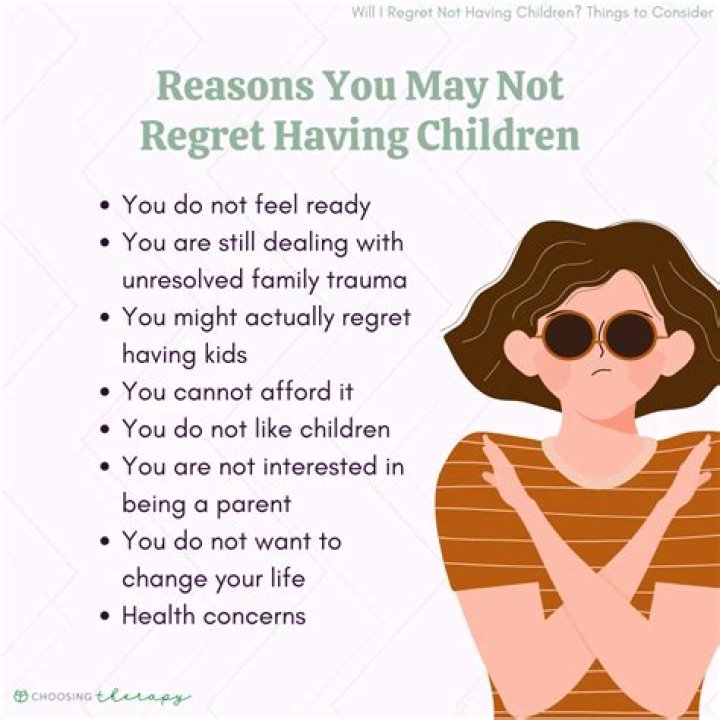
"The Truth: Dana Perino's Motherhood Status Revealed" refers to the public disclosure of Dana Perino's personal decision not to have children.
Perino, a former White House press secretary and current Fox News host, has been open about her struggles with infertility and her eventual decision to prioritize her career over having a family. Her candidness has sparked conversations about the societal pressures faced by women to become mothers and the importance of personal choice in reproductive decisions.
Perino's story has resonated with many women who have faced similar challenges or who have made different choices about motherhood. It has also highlighted the need for greater understanding and support for women who choose not to have children, as well as for those who struggle with infertility.
The Truth
Dana Perino's decision not to have children has sparked important conversations about societal pressures on women, personal choice in reproductive decisions, and the need for greater understanding and support for women who choose not to have children.
- Personal choice: Perino's decision was a deeply personal one, based on her own values and priorities.
- Societal pressures: Perino's story highlights the societal pressures that women face to become mothers.
- Infertility: Perino has been open about her struggles with infertility, which led to her decision not to have children.
- Reproductive rights: Perino's story raises questions about women's reproductive rights and the importance of access to fertility treatments.
- Work-life balance: Perino's decision to prioritize her career over having a family has sparked discussions about the challenges of work-life balance.
- Role models: Perino's candor about her decision has made her a role model for other women who are struggling with similar issues.
- Media representation: Perino's story has been widely covered in the media, helping to raise awareness of the issues faced by women who choose not to have children.
- Social change: Perino's story is part of a larger social change, as more and more women are choosing to delay or forgo childbearing.
Perino's story is a reminder that women should have the right to make their own choices about their bodies and their lives, free from judgment or societal pressure. It is also a reminder that there is no one right way to live a fulfilling life.
Personal details and bio data of Dana Perino:| Name | Born | Occupation |
|---|---|---|
| Dana Perino | May 9, 1972 | Political commentator, author, and former White House press secretary |
Personal choice
Dana Perino's decision not to have children was a deeply personal one, based on her own values and priorities. This is an important aspect of "The Truth: Dana Perino's Motherhood Status Revealed" because it highlights the fact that women should have the right to make their own choices about their bodies and their lives, free from judgment or societal pressure.
- Values: Perino's decision was based on her own values, which include her commitment to her career and her desire to live a fulfilling life without children.
- Priorities: Perino's decision was also based on her own priorities, which include her career and her relationship with her husband.
- Personal circumstances: Perino's decision was also influenced by her personal circumstances, including her struggles with infertility.
- Societal pressures: Perino's decision was made in the context of societal pressures that women face to become mothers. However, she chose to prioritize her own values and priorities over these pressures.
Perino's story is a reminder that women should have the right to make their own choices about their bodies and their lives, free from judgment or societal pressure. It is also a reminder that there is no one right way to live a fulfilling life.
Societal pressures
Dana Perino's decision not to have children is a powerful example of the societal pressures that women face to become mothers. These pressures can be explicit, such as family members or friends telling a woman that she should have children, or they can be more subtle, such as the portrayal of motherhood as the only path to fulfillment in the media.
Perino's story is important because it challenges the idea that all women should become mothers. It shows that it is possible to have a happy and fulfilling life without children. Perino's story also raises awareness of the challenges that women who choose not to have children face, such as discrimination and judgment.
The societal pressures that women face to become mothers are a complex issue with a long history. These pressures are rooted in the traditional roles that women have played in society, as well as in the biological imperative to reproduce. However, these pressures are increasingly being challenged by women who are choosing to delay or forgo childbearing. Perino's story is part of this larger trend, and it is helping to change the way that we think about motherhood.
Infertility
Dana Perino's decision not to have children is closely tied to her struggles with infertility. Perino has been open about her experiences with infertility, including her multiple rounds of IVF and her decision to ultimately stop treatment. Her story is an important reminder that infertility is a common issue that affects many women, and that it can have a significant impact on a woman's decision to have children.
- Emotional impact: Infertility can take a significant emotional toll on women. Perino has spoken about the feelings of grief, loss, and isolation that she experienced during her infertility journey.
- Financial burden: Infertility treatments can be very expensive, and many women are forced to spend tens of thousands of dollars on treatment. Perino has spoken about the financial burden that infertility treatments placed on her and her husband.
- Societal pressures: Women who are struggling with infertility often face societal pressures to have children. This can make it even more difficult to cope with the emotional and financial challenges of infertility.
- Personal choice: Ultimately, the decision of whether or not to have children is a personal one. Perino's story is a reminder that women should have the right to make this decision for themselves, free from judgment or societal pressure.
Perino's story is an important contribution to the conversation about infertility. It is a reminder that infertility is a common issue that can have a significant impact on women's lives. Perino's story also highlights the importance of personal choice, and the right of women to make decisions about their own bodies and their own lives.
Reproductive rights
Dana Perino's story raises important questions about women's reproductive rights and the importance of access to fertility treatments. Perino's decision not to have children was influenced by her struggles with infertility and the financial burden of IVF treatments. Her story highlights the need for greater access to affordable fertility treatments and the right of women to make decisions about their own bodies and their own lives.
Reproductive rights are a fundamental human right, and they include the right to have children, the right to not have children, and the right to access the information and services necessary to make these decisions. Perino's story is a reminder that these rights are not always respected, and that many women face barriers to accessing fertility treatments and other reproductive health care services.
The practical significance of understanding the connection between reproductive rights and Perino's story is that it can help us to advocate for policies that support women's reproductive rights and ensure that all women have access to the information and services they need to make informed decisions about their own bodies and their own lives.
Work-life balance
Dana Perino's decision not to have children has sparked important discussions about the challenges of work-life balance. Perino has been open about her decision to prioritize her career over having a family, and her story has resonated with many women who face similar challenges. Perino's story highlights the fact that it is not always easy for women to balance their careers and their personal lives. Many women feel pressure to succeed in both their careers and their families, and this can lead to a great deal of stress and anxiety. Perino's decision to prioritize her career is a reminder that it is important for women to make choices that are right for them, even if those choices are not always popular or well-understood. Perino's story is also a reminder that there is no one right way to live a fulfilling life. Women can choose to have a career, a family, or both, and there is no shame in making the choice that is right for you.
The practical significance of understanding the connection between work-life balance and Perino's story is that it can help us to create more supportive workplaces for women. By understanding the challenges that women face in balancing their careers and their personal lives, we can create policies and practices that make it easier for women to succeed in both areas.
Role models
Dana Perino's decision to be open about her struggles with infertility and her decision not to have children has made her a role model for other women who are struggling with similar issues. Perino's story has helped to break the silence around infertility and has shown women that they are not alone. Her candor has also helped to change the way that we think about motherhood and has shown that it is not the only path to fulfillment for women.
Perino's story is particularly important for women who are struggling with infertility. Infertility can be a very isolating experience, and it can be difficult to find support from others who understand what you are going through. Perino's story can help these women to feel less alone and to know that there is hope for a happy and fulfilling life, even without children.
The practical significance of understanding the connection between role models and "The Truth: Dana Perino's Motherhood Status Revealed" is that it can help us to create more supportive communities for women. By understanding the importance of role models, we can create more opportunities for women to share their stories and to connect with others who are going through similar experiences. We can also create more resources and support services for women who are struggling with infertility.
Media representation
Dana Perino's decision not to have children has been widely covered in the media, helping to raise awareness of the issues faced by women who choose not to have children. This media attention has played a significant role in shaping public discourse around motherhood and reproductive rights.
- Increased visibility: Perino's story has helped to increase the visibility of women who choose not to have children. This has helped to challenge the traditional view that motherhood is the only path to fulfillment for women.
- Reduced stigma: Perino's candor about her decision has helped to reduce the stigma associated with not having children. This has made it easier for other women to come forward and share their own stories.
- Increased understanding: Perino's story has helped to increase understanding of the reasons why women choose not to have children. This has led to a greater acceptance of different family structures.
- Policy change: Perino's story has also helped to raise awareness of the need for policy changes that support women who choose not to have children. This includes policies that provide access to affordable fertility treatments and paid family leave.
The media coverage of Perino's story has played a significant role in changing the way that we think about motherhood and reproductive rights. It has helped to increase visibility, reduce stigma, increase understanding, and promote policy change. This has made a real difference in the lives of women who choose not to have children.
Social change
Dana Perino's decision not to have children is part of a larger social change, as more and more women are choosing to delay or forgo childbearing. This trend is due to a number of factors, including increased educational and career opportunities for women, the rising cost of childcare, and a growing acceptance of different family structures.
- Increased educational and career opportunities: Women are now more likely to attend college and pursue careers than they were in the past. This has led to a decrease in the fertility rate, as women are delaying childbearing in order to focus on their education and careers.
- Rising cost of childcare: The cost of childcare has risen significantly in recent years, making it difficult for families to afford to have children. This is another factor that is contributing to the decline in the fertility rate.
- Growing acceptance of different family structures: There is a growing acceptance of different family structures, including families with no children, single-parent families, and families with same-sex parents. This is making it easier for women to choose not to have children without feeling pressure from society.
Perino's decision not to have children is a personal one, but it is also part of a larger social trend. As more and more women choose to delay or forgo childbearing, it is important to understand the factors that are contributing to this trend and to create policies that support women's choices.
FAQs on "The Truth
This section addresses common concerns or misconceptions surrounding Dana Perino's motherhood status and its implications.
Question 1: Why did Dana Perino decide not to have children?
Answer: Perino's decision was a personal one, influenced by her values, priorities, and struggles with infertility.
Question 2: Is Perino's decision representative of a broader trend?
Answer: Yes, Perino's choice reflects a growing number of women who are delaying or forgoing childbearing due to factors such as career aspirations, financial considerations, and changing societal norms.
Question 3: What are the societal implications of Perino's decision?
Answer: Perino's openness challenges traditional views on motherhood and highlights the importance of reproductive rights and personal choice.
Question 4: Did Perino face criticism for her decision?
Answer: While some may hold traditional views on motherhood, Perino's decision has garnered support and understanding from many.
Question 5: What are the key takeaways from Perino's story?
Answer: Perino's journey emphasizes the diversity of life choices, the importance of prioritizing personal values, and the need for societal acceptance of different family structures.
Question 6: How does Perino's story contribute to the larger conversation on reproductive rights?
Answer: Perino's experience adds to the ongoing discourse on women's autonomy, access to fertility treatments, and the right to make informed decisions about their bodies and reproductive health.
Summary: Dana Perino's decision not to have children is a testament to her personal agency and the changing societal landscape around motherhood. Her story encourages open dialogue, challenges stereotypes, and promotes reproductive freedom for all individuals.
Transition to the next article section: This article has explored the multifaceted aspects of Dana Perino's motherhood status. In the next section, we will delve into the broader societal implications and the evolving perspectives on family planning.
Tips Inspired by "The Truth
The personal journey of Dana Perino has sparked important conversations about reproductive rights, personal fulfillment, and the evolving definitions of family. Here are some key tips inspired by her story:
Tip 1: Embrace Personal Choices and ValuesYour life decisions should align with your values and aspirations. Don't feel pressured to conform to societal expectations or traditional life paths. Carve out a path that is authentic to you.
Tip 2: Prioritize Open CommunicationShare your thoughts and experiences with trusted individuals. Open dialogue can foster understanding, reduce stigma, and provide support for your decisions.
Tip 3: Challenge Societal NormsQuestion traditional assumptions about motherhood and family planning. Challenge stereotypes and advocate for a more inclusive and diverse society.
Tip 4: Seek Support and ResourcesConnect with others who have similar experiences or perspectives. Explore resources and organizations that provide support and guidance for individuals making reproductive choices.
Tip 5: Respect Different Family StructuresRecognize and value the diversity of family structures. Every family is unique and deserves respect, regardless of its composition or path to formation.
Tip 6: Advocate for Reproductive RightsSupport policies and initiatives that women's reproductive rights and access to affordable healthcare, including fertility treatments and family planning services.
Tip 7: Promote Gender EqualityWork towards creating a more equitable society where both men and women have equal opportunities and choices in all aspects of life, including reproductive decision-making.
Tip 8: Cultivate Self-Acceptance and FulfillmentUltimately, your happiness and fulfillment should be your top priority. Embrace your choices and live a life that is meaningful and satisfying to you, regardless of whether or not you have children.
Summary: By embracing personal choices, fostering open communication, challenging societal norms, seeking support, and advocating for reproductive rights, we can create a more inclusive and supportive society that respects and celebrates the diversity of family planning decisions.
Conclusion
The exploration of "The Truth: Dana Perino's Motherhood Status Revealed" has shed light on the significance of personal choice, societal pressures, and reproductive rights. Perino's candid account of her decision not to have children challenges traditional views of motherhood and highlights the importance of empowering individuals to make decisions that align with their values and aspirations.
This discourse extends beyond Perino's personal experience. It prompts us to rethink societal expectations, foster a more inclusive understanding of family planning, and advocate for policies that support reproductive freedom. By embracing diverse perspectives and challenging stereotypes, we can create a society where all individuals feel valued and respected, regardless of their reproductive choices.
Unveiling The Allure: Camila Araujo's OnlyFans Phenomenon
Unveiling The Secrets: Barry Gibb's Height And Weight Revealed!
Unveiling The Extraordinary Discoveries And Insights Of Nicola Lockhart
Dana Perino's debate outlook 'This is a historic moment' Fox News Video
Dana Perino My Thanksgiving do's and don'ts for talking politics